In February 2026, a PSA 10 Pikachu Illustrator card sold for about $16.5 million. Under some standard home insurance policies, a card like that would be covered for $2,500. Not $2,500 for that card. $2,500 for every trading card and comic book in the house, combined.
Most collections aren't worth millions. But almost none of them are written down anywhere an insurance adjuster or a family member could use.
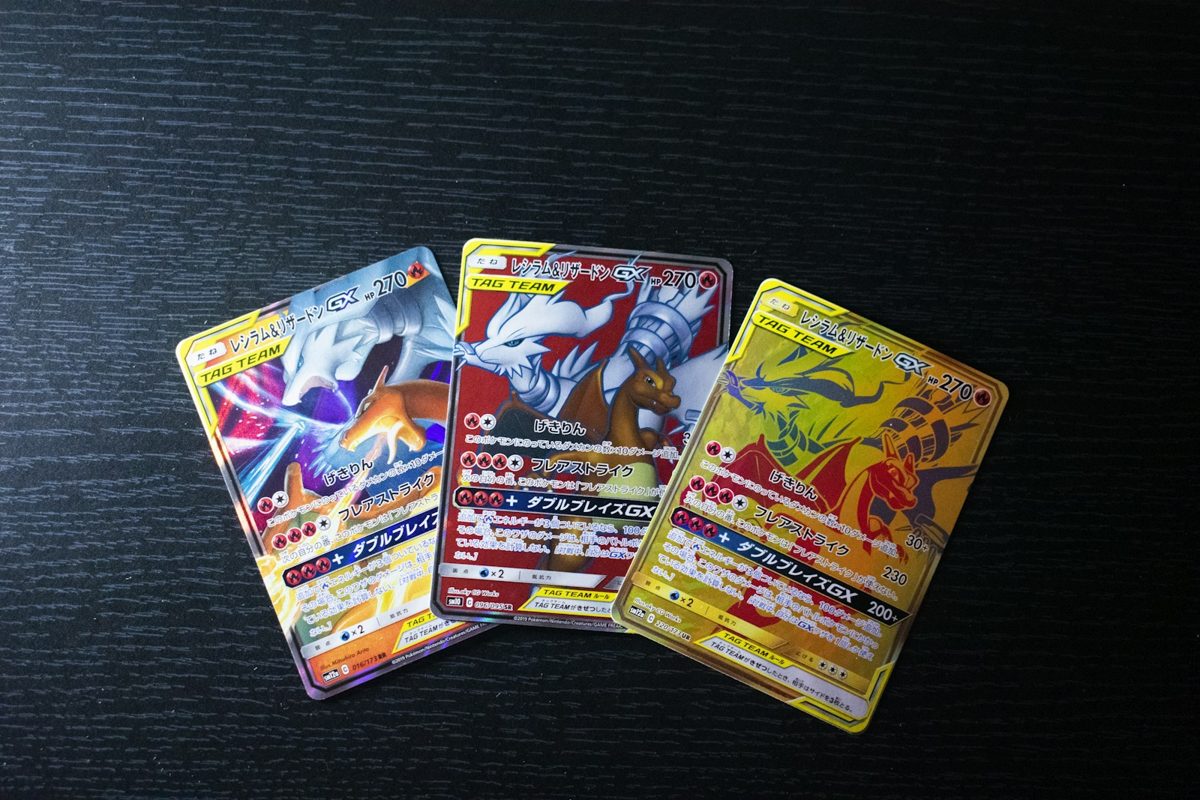
How home insurance treats a collection
Home insurance treats collections as ordinary belongings, and then caps them. Some major policies limit trading cards and comics to around $2,500 in total. The standard policy form caps stamps at $1,500 and coins at $200. If you buy and sell, anything kept for resale can count as business property, with its own low limit.
There are two common ways to close the gap:
- Add a rider to your home policy for specific items, usually with an appraisal or receipt for each one.
- Buy a dedicated collector policy. Specialist insurers cover cards, comics, figures, records and coins at what they'd sell for today, and they're often cheaper than people expect.
Either way, the paperwork comes back to you. One specialist insurer says it plainly in its brochure: you are responsible for maintaining your own inventory.
What an insurer will actually ask for
After a fire, a flood or a break-in, you'll be asked to prove what you had and what it was worth, usually within a few months. That means:
- A list of items, each with its own value. A single total for "my card collection" is easy for an adjuster to question.
- Photos. Fronts and backs for cards, and the box and figure for anything in packaging.
- Receipts for anything you bought recently.
- Grading cert numbers for slabbed cards. A cert number pins down the exact card and grade, which makes both a claim and a stolen card much easier to trace.
- A police report for theft. Collectors recommend putting every cert number in it.
Document it in three tiers
Nobody wants to photograph and price 5,000 commons, and you don't need to. Collectors already split their collections by value. Your record can follow the same split.
1. Your stars, one at a time
These are the pieces worth real money on their own. Give each one its own entry:
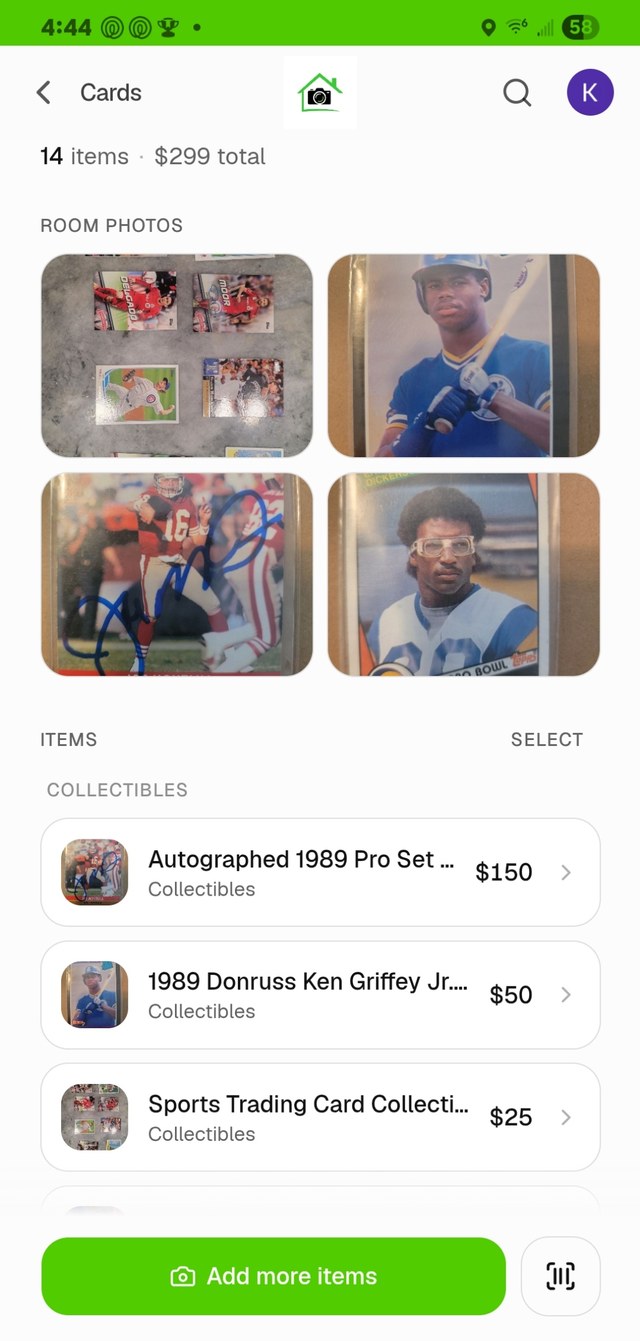
- A close-up photo of the card, slab or figure. Homvi reads what's in the frame, including the edition, year and markings when they're visible.
- The grading company and cert number, in the serial number field.
- A value you set yourself, from recent sold prices. Homvi's estimate is a starting point. For collectibles, what similar items actually sold for is the number that matters.
- The back of the card and the slab label, added as documents on the same item.
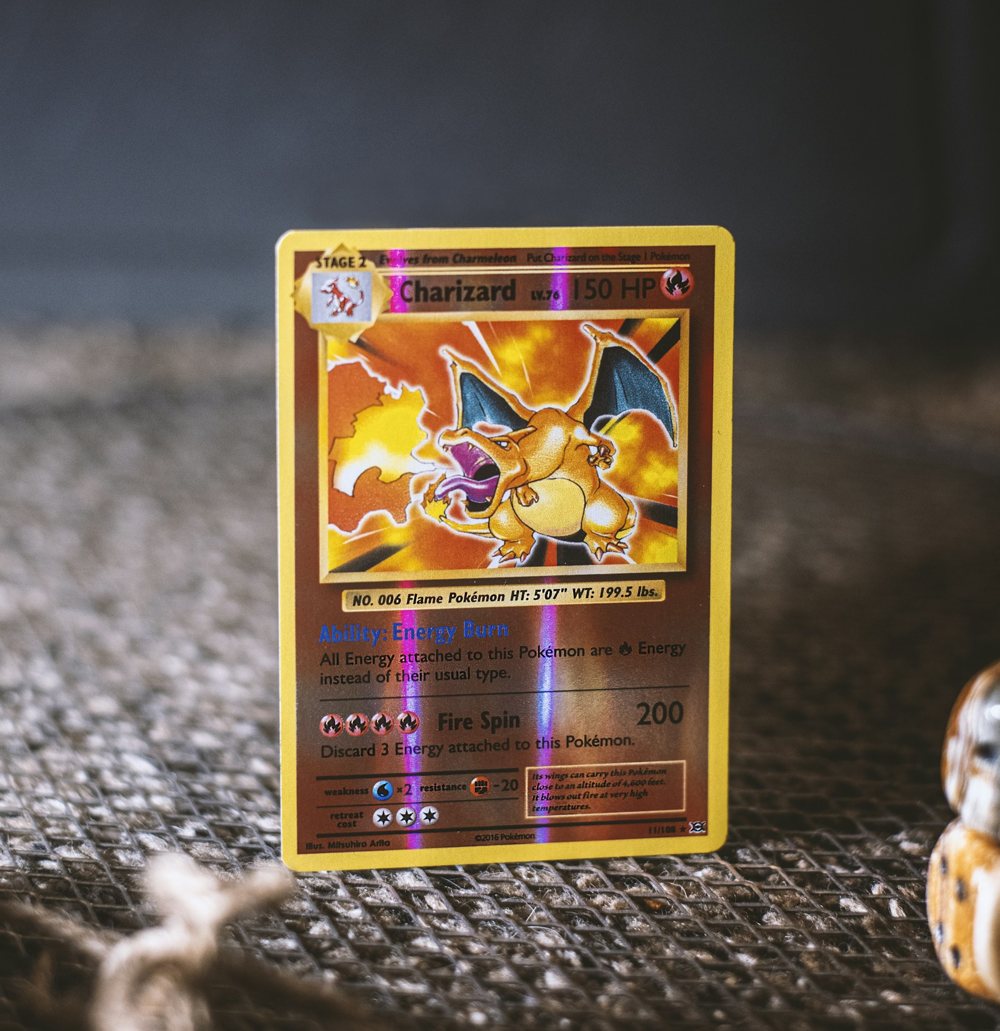
Details decide the value. This Charizard looks a lot like the famous 1999 original, but the small print says otherwise: a 2016 copyright and the number 11/108 mark it as a 2016 reprint, worth a fraction of the original. A sharp close-up keeps that small print on the record, and it's why the value should come from sales of the exact card, not one that looks like it.
2. The middle, by binder, album or box
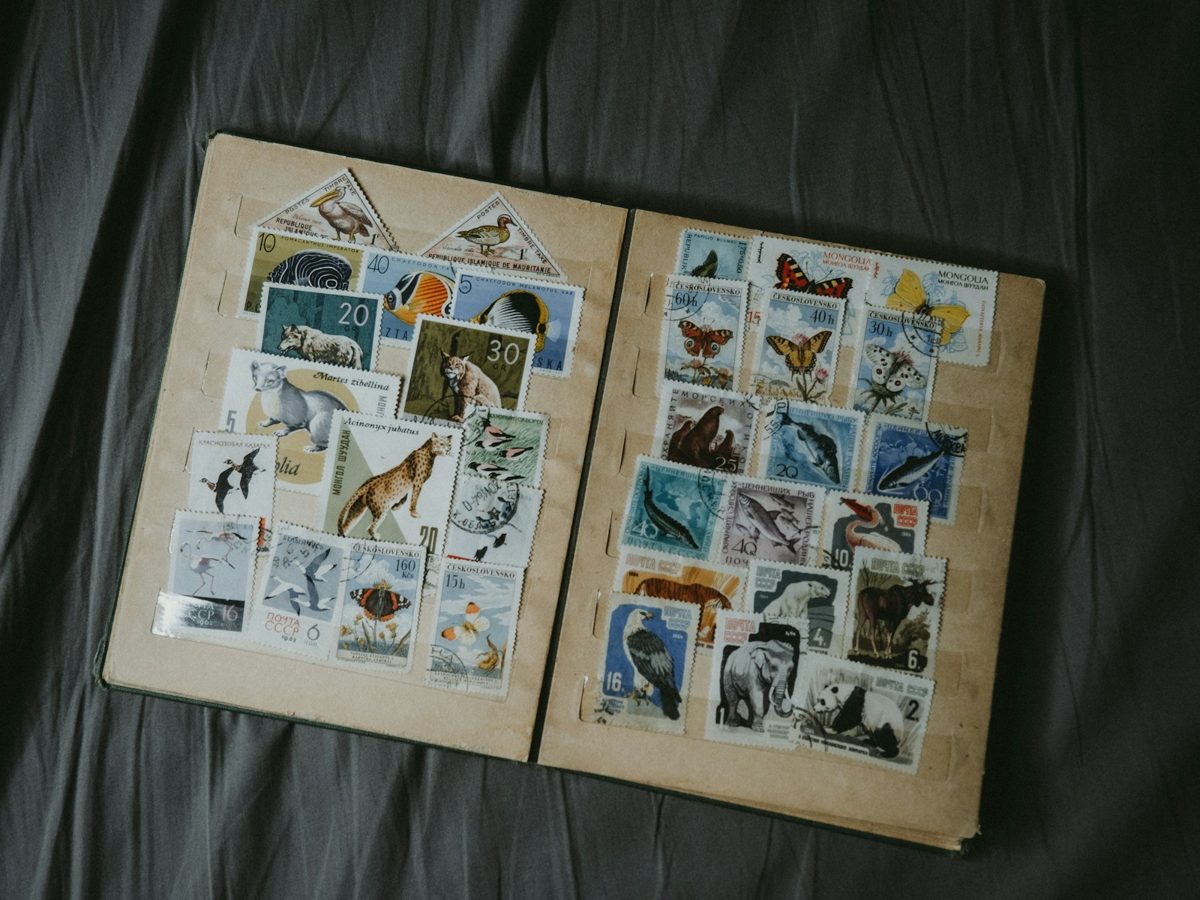
Binders, stamp albums, team sets, spoon racks and display cases make good single entries: "Pokémon binder, Scarlet & Violet era (~360 cards)" with a photo of the spine and a few pages, and a value for the binder as a whole. When Homvi sees a group of similar things in one photo, it tends to list them as one item with a count, which is exactly what you want here.

A display case like this is one entry too: one photo of the whole case, a few close-ups of the best pieces, and a value for the set.
3. Bulk, as lots
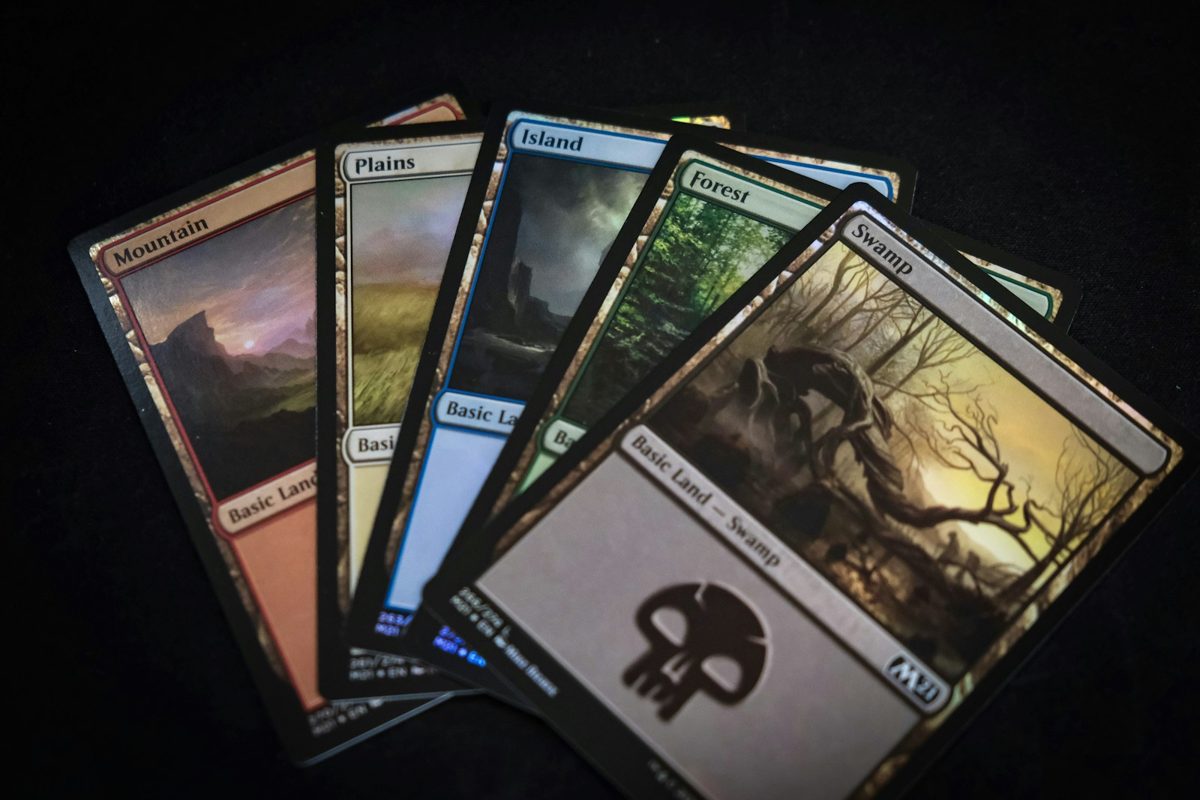
The shoebox of 1990 Topps, the long boxes of commons, the bin of loose figures. One photo and one line each: "Long box of MTG commons (~2,000)". Collectors already sell bulk by the lot, and an insurer will value it the same way.
If you keep a whole collection in one place, give it its own room in Homvi, like "Card room" or "Collection closet", so it shows up as its own section in your PDF report.
Keep the hobby app you already use
Collectr, TCGplayer, CollX and Card Ladder are great at what they do: scanning cards, tracking prices and showing your collection's value from day to day. Keep using them.
Homvi does a different job. It's the record you hand an insurer or your family, alongside everything else in your home, with the photos and documents that back it up. Prices move, so revisit your stars' values once a year, or after a big sale in your corner of the hobby.
Your family should know what it's worth
In a UBS survey of wealthy collectors' heirs, only about a third were interested in keeping the collection. Many collectors never tell anyone what theirs is worth, which is how a binder worth thousands ends up in an estate sale for the price of the binder.
A clear record fixes that. Your family can see what matters, what it's worth, and where it is. You can share your home with the people who'd need it.
Don't advertise it
Thefts from collectors are often by people who knew what was there. Keep your inventory private, think twice about posting your best pieces online, and keep your record somewhere other than the shelf it describes.
The story that should get you started
In 2012, a family going through their grandfather's attic found more than 700 baseball cards from 1910 under a dollhouse. The first batch sold at auction for over $566,000. Nobody had written them down. They were found by luck. Most collections aren't that lucky, and a record means yours won't have to be.