A finished space looks obvious on the day you hand it over. Three months later, your client is standing in the garage looking for the spare furnace filters, and the only person who remembers which bin they went into is you.
That's the gap a home inventory fills. It's the written version of the system: what's in each space, where it lives, and what it's worth. Your client keeps it, and the work you did keeps working.
📦 Pack-a-Boo, for professional organizers
Show us your best before and after, November 1 to 15, for a chance to win a year of Homvi Pro. Free to enter, no Homvi account needed.
Entries open November 1 at homvi.ai/packaboo.
Why an inventory belongs in the handoff
- The system holds. Backsliding often starts with something that can't be found. When a client can look up "batteries" and see a photo and your note about where they live, they go back where they belong instead of into a new pile.
- It's a service clients already understand. Insurers ask for proof of what you owned after a fire, flood or break-in, and more than half of homeowners have no home inventory. A list with photos and values is worth paying for, and you've already handled every item.
- It keeps you in the picture. A client who opens their list to find something sees your work every time. That's the moment they think of the next room, the refresh visit, or the friend who needs you.
How to build it into your final walkthrough
You've already touched everything. The inventory just captures it before you leave.
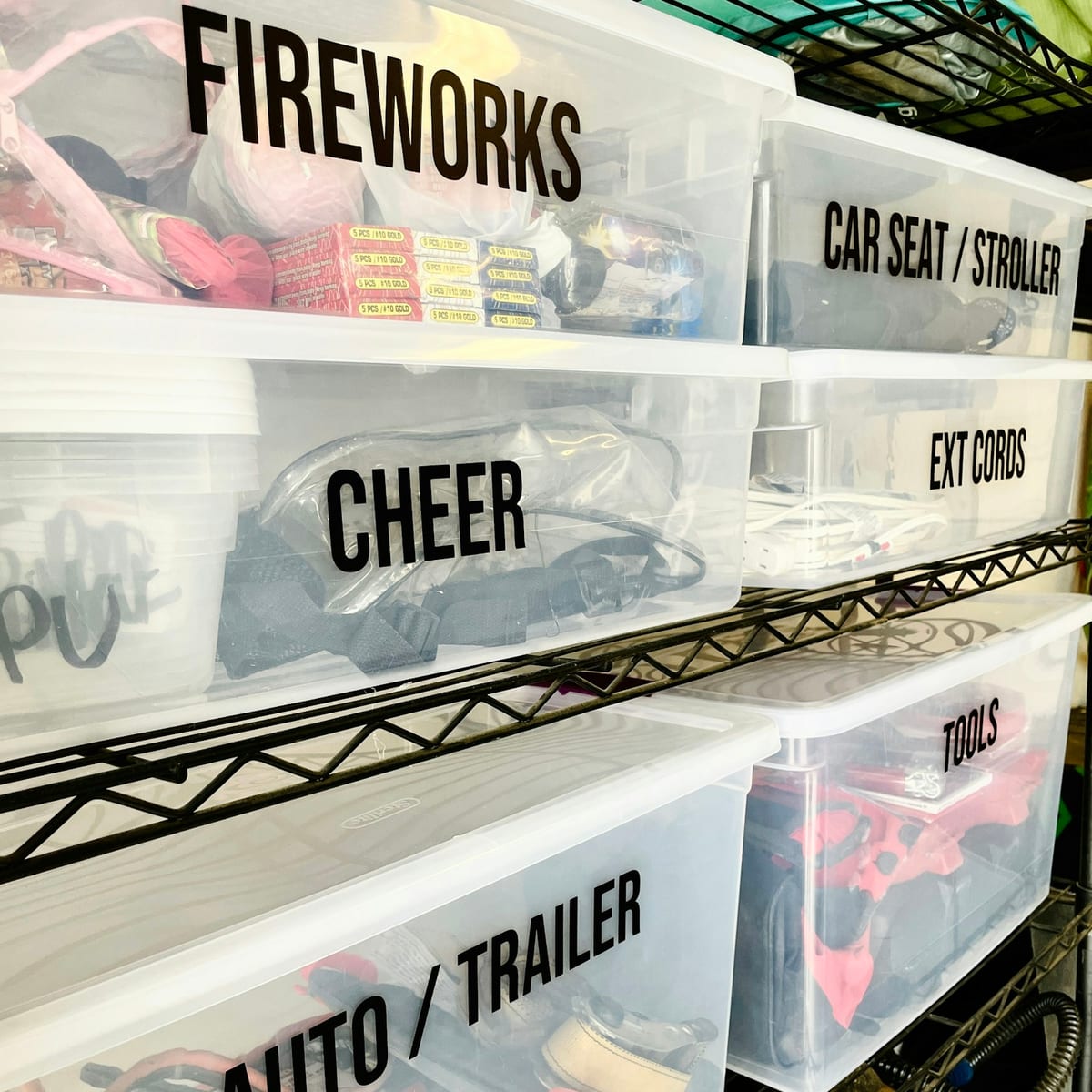
- Photograph each space with everything visible. Doors open, bins pulled forward, labels facing out. A closed bin hides its contents, so shoot the contents, then the labeled bin on the shelf.
- Name each space the way your client talks about it. "Pantry," "garage shelves," "kids' closet." That's what they'll search for later, not "Room 4."
- Group like items. "Batteries, assorted" or "Mason jars, set of 12" is one line, not forty. Your client needs to find things, not count them.
- Write down where things live. For anything they'll go looking for, add a short note: "clear bin, top shelf, labeled Batteries." That note is what turns a list into a map.
- Call out what matters most. Jewelry, electronics, collections and anything handed down get a closer photo, plus a serial number or receipt if one turns up during the job.
- Hand it over before you go. Walk your client through finding one thing. Once they've looked up the furnace filters themselves, they'll trust the list.
Your after photos are halfway there
You already photograph every finished space for your portfolio. Those same photos are the start of an inventory. One clear shot of an organized pantry shows almost everything in it, which is exactly why a well-organized space is the easiest kind to inventory.

Pricing it
Organizers handle this a few ways:
- Included in the final session, as part of the handoff. It sets you apart without changing your rate.
- An add-on, priced like your hourly work, for clients who want every room documented for insurance.
- A standalone service for clients who are moving, downsizing, settling an estate or updating their insurance, even when the house is already organized.
Whichever you choose, say it out loud in your proposal. Clients don't ask for what they don't know exists.
Where Homvi fits
Homvi turns a photo of a space into a list of what's in it, with each item named and given an estimated value. Your client keeps the list on their phone and can search it by name, room or the notes you added.
With Organizer Pro, you give each client a year of Homvi with your name on it. While you work, they can add you to their home so you build the list with them, then remove you when you're done. After that it's theirs, and your number is one tap away when they're ready for the next room.