Most of what you own is in plain sight. You see the couch every day and use the kitchen every night. Decorations are different. They come out for a few weeks, then spend the rest of the year in a tote in the garage, the attic or the back of a closet.
That's exactly why they're easy to forget. Ask most people how many decorations they own, or what it would cost to replace them, and they'll guess. Then they open the bins and find things they didn't remember having, or buy a second set of something already packed away.
A little record-keeping fixes that. Here's what to track, how to store it, and a simple routine that takes care of it each season.
🎃 The Homvi Halloween Challenge
Test drive Homvi right on our site. Upload a photo of your Halloween decorations, watch our AI identify each piece, then enter for a chance to win a free year of Homvi. Free to enter, no app needed, open through November 2.

Why decorations slip through the cracks
- They're out of sight most of the year. Ten or eleven months in storage is a long time to remember what's in a box.
- They're bought a piece at a time. A wreath one year, a few figurines the next, a new set of lights on sale. Nobody adds it up.
- They're spread out. Some live in the garage, some in the attic, some in a hall closet, and the outdoor pieces end up wherever there was room.
- Some can't be replaced. Handmade pieces, ornaments passed down from grandparents, things the kids made. These matter most, and they're the easiest to lose track of.
What counts as a decoration
More than you'd think, across every holiday and season.
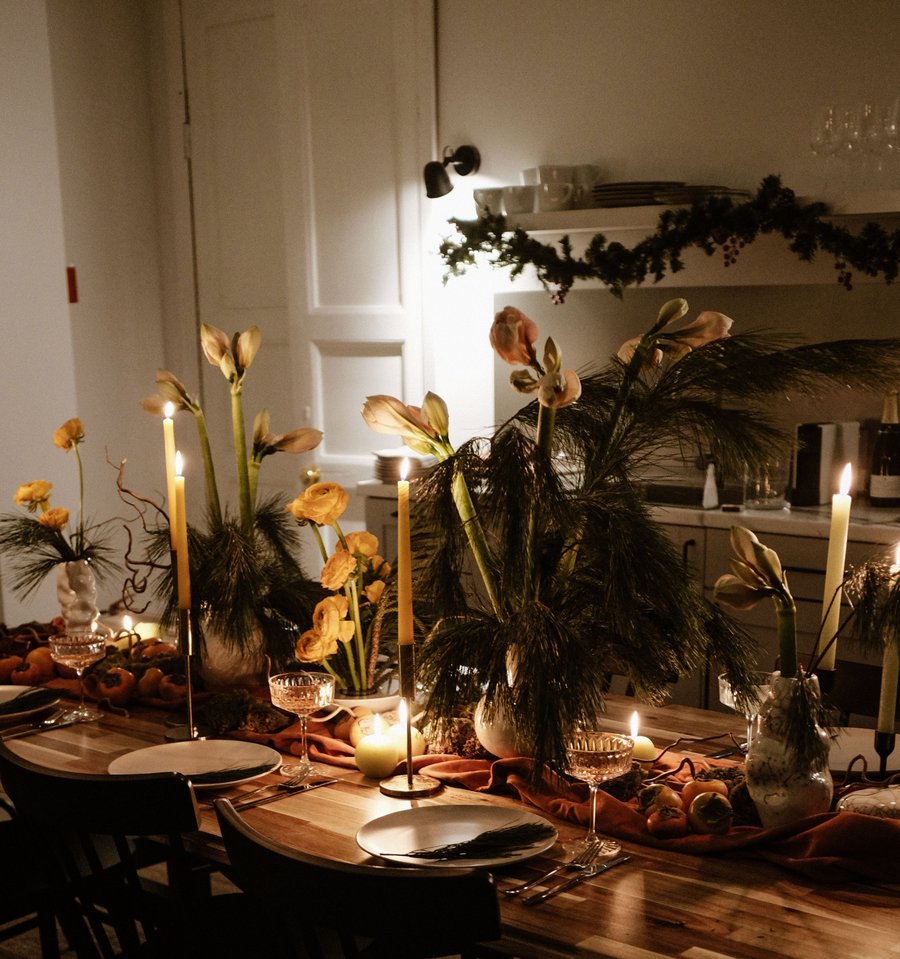
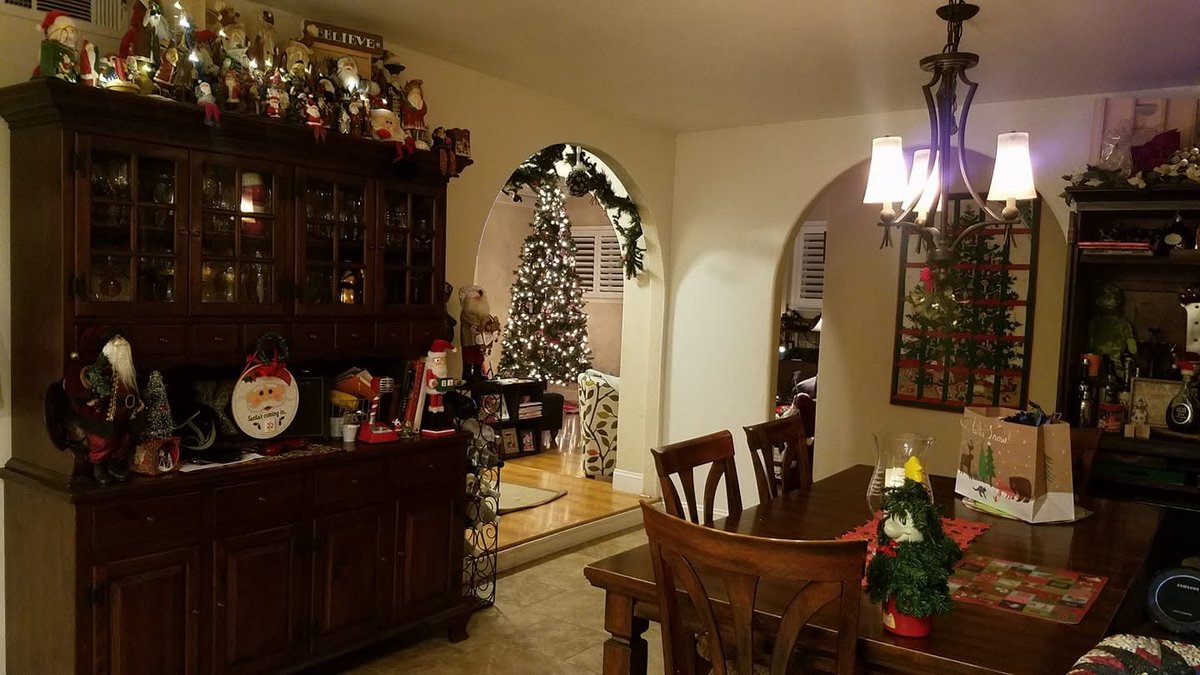
Indoors: wreaths and garlands, tabletop displays and centerpieces, figurines and collectible villages, ornaments and tree toppers, table linens and runners, candle holders, pillows and throws, and lighted pieces.
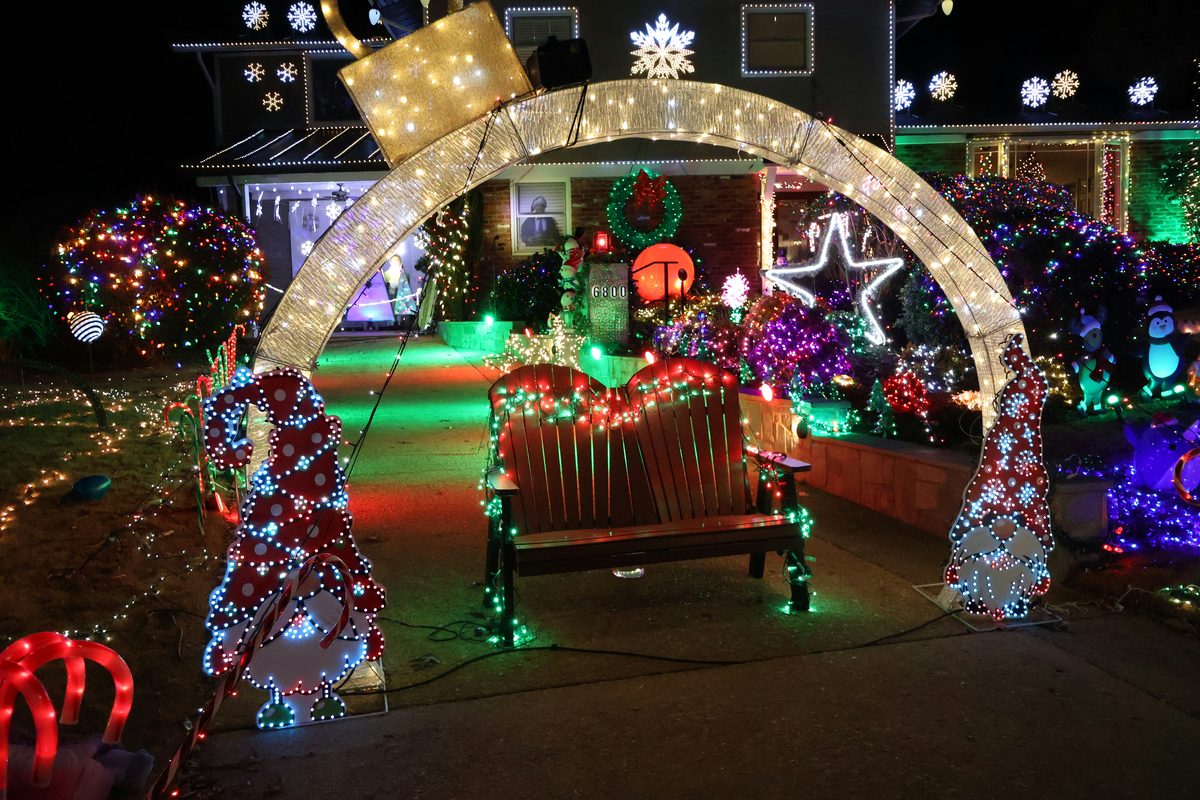
Outdoors: string lights and timers, inflatables, yard stakes and signs, porch displays, door wreaths, animated figures, projectors, and the extension cords and hooks that hold it all together.
Best practices for keeping track
- Take photos while everything is out. Before you pack up, photograph each room and the outside of the house. You'll remember how you set things up, and you'll have a record of what you own.
- Photograph the decorations, not the box. A packed bin only shows the top layer. Take your photos while everything is still up, or lay the pieces out on a table before they go in the bin, so every piece is visible.
- Number your bins and keep a list. Label each tote with a number and keep a list of what's in each one. "Bin 4: nutcracker collection, red ribbon, tree skirt" is all it takes.
- Write down the special pieces. For heirlooms, handmade pieces and collectibles, note where they came from and anything that makes them unique. That story is easy to forget.
- Keep receipts for the big items. Large inflatables, animated figures and pre-lit trees can cost hundreds of dollars. A photo of the receipt is enough.
- Note what needs replacing. When a strand of lights stops working or a piece breaks, write it down as you pack. Next year you'll buy what you actually need, not a duplicate.
- Keep your list somewhere other than the storage room. A list packed in the bin is only useful once you've found the bin. A list on your phone goes where you go.
Storage tips that protect your decorations
- Use clear bins with lids. You can see what's inside at a glance, and lids keep out dust and pests.
- Sort by holiday, then by room. Keep all the fall pieces together, grouped by where they go in the house. Unpacking becomes putting things back where they belong.
- Wrap fragile pieces one at a time. Tissue paper or bubble wrap for glass and ceramics. Egg cartons work well for small ornaments.
- Take out the batteries. Batteries left in for a year can leak and damage the piece. Store them separately.
- Dry outdoor pieces before you pack them. Damp inflatables and fabric can mildew in the box.
- Wind the lights. A piece of cardboard or an empty wrapping paper tube keeps strands from tangling.
- Watch the temperature. Attics and garages can get very hot or very cold. Candles, wax figures and delicate fabrics do better in a closet indoors.
- Put heavy bins low. Keep the heaviest totes on the bottom shelf, and the fragile ones where nothing can fall on them.
Make it a routine
The easiest time to keep track is take-down day, when everything is already in your hands. It's also when your list is most out of date. Most collections grow during the season: a new ornament from a trip, a gift from a neighbor, something picked up on sale after the holiday. Add the new pieces as you pack, and note anything that broke or stopped working so it doesn't get bought twice.
The same habit works for every change of season, not just the holidays. Fall harvest displays, spring wreaths and summer porch decor come out and go back in a box too. Spend a few minutes each time you switch things over, and next year you'll know exactly what you have and where it is.
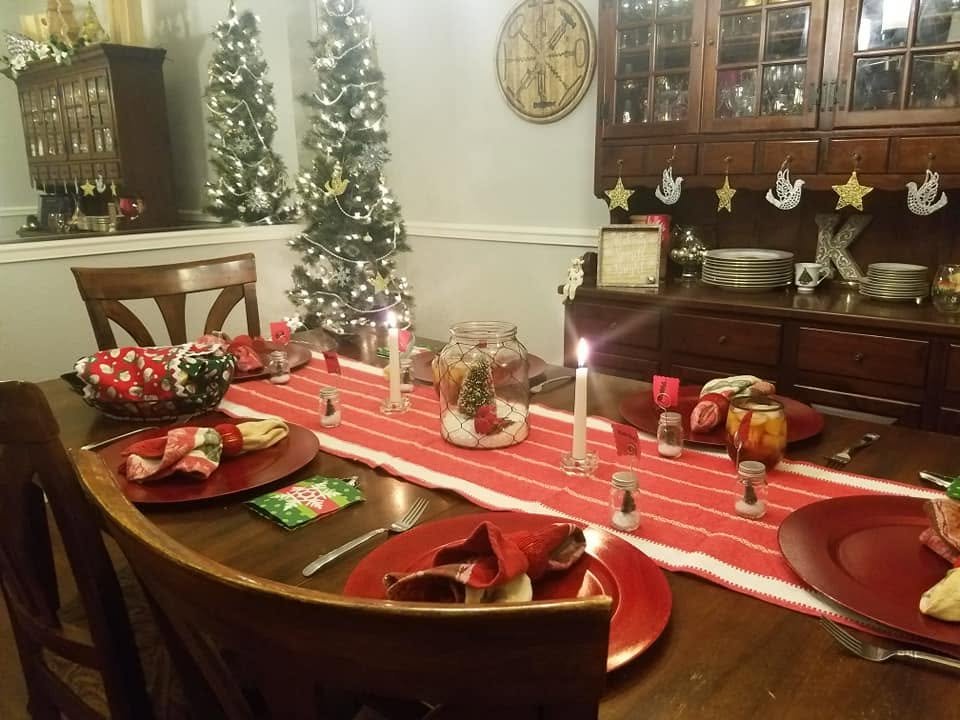
How Homvi helps
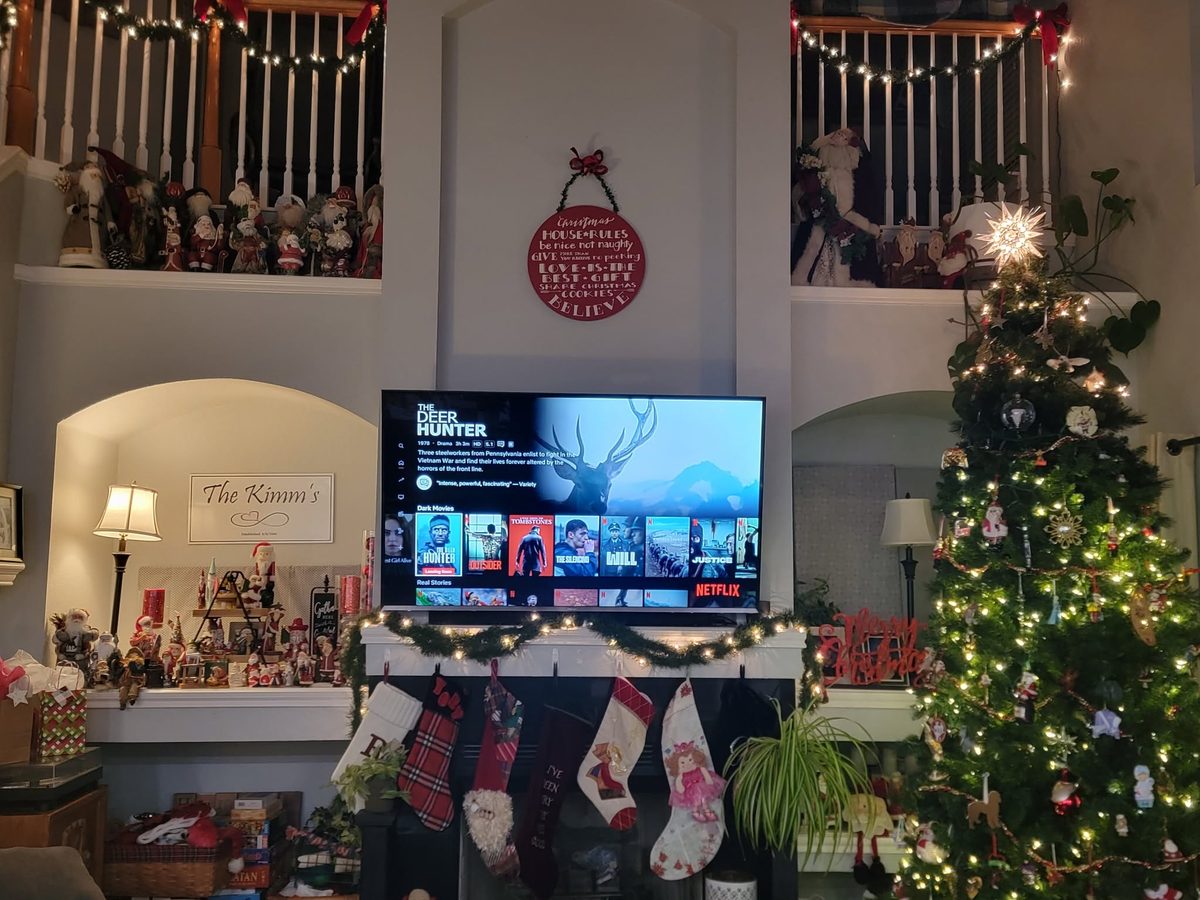
Homvi does the list-making for you. Here's what one photo of the living room shown earlier in this post turned into:
- Add a room and name it after the holiday. We called ours "Christmas". If you'd rather organize by where things are stored, name rooms like "Garage shelves" or "Attic" instead.
- Take one photo of the decorated room.
- Homvi identifies each piece and estimates its value.
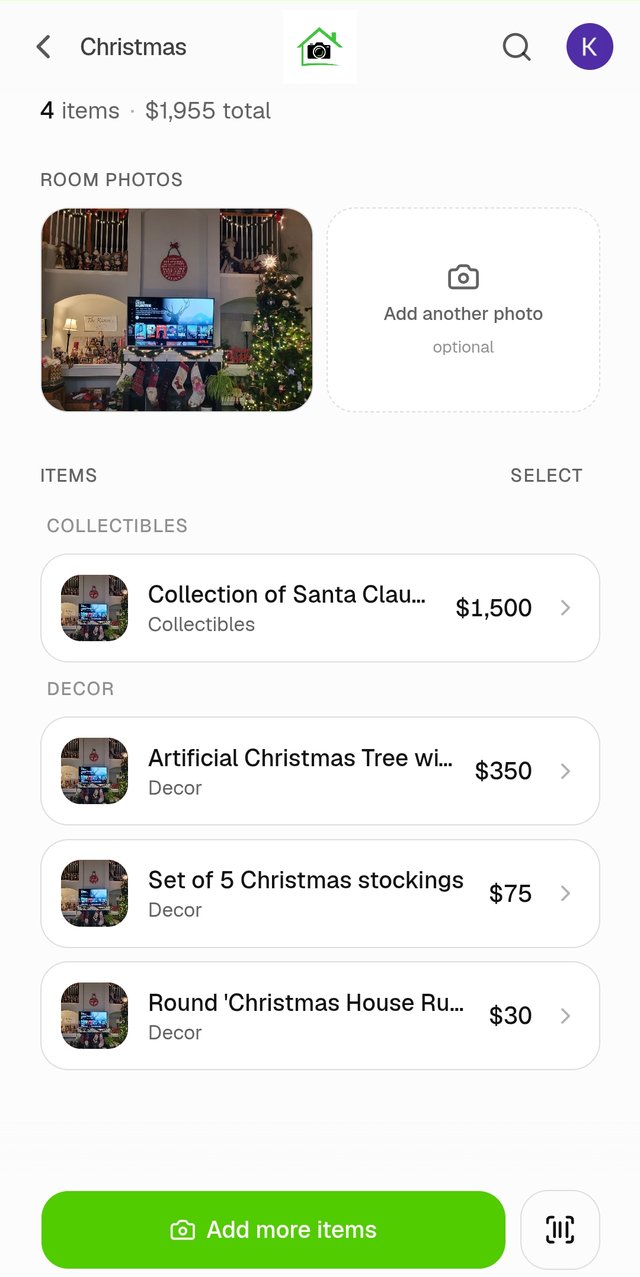
From that single photo: the Santa collection ($1,500), the tree ($350), five stockings ($75) and the house-rules sign ($30). Four items and $1,955, documented in one shot. Next year, search "Santa" and you'll know right where the collection is. Add a photo of the smaller pieces laid out before they're packed, and those get listed too.
Start free on the web, or get Homvi for iPhone on the App Store.